Regenerative Medicine
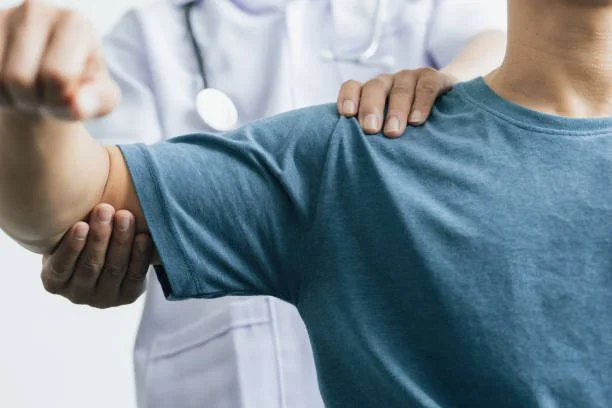
Regenerative medicine harnesses the body’s natural healing abilities to support, repair and restore damaged tissues, ligaments and joints. By focusing on healing at the source, regenerative therapies help reduce pain, improve mobility and accelerate recovery to enhance overall quality of life.
Are you a candidate or interested in pursuing regenerative therapies?
Please send us a message to learn more about our program.
Practitioners may use the referral form below.
Get in Touch
Please note, submissions are only monitored for regenerative medicine, and inquiries not related to regenerative medicine will not be answered. For any general inquires or referrals, please phone us at 289-795-3774
Are you a current patient of Dr. David Smith? Please email: drsmithprp@gmail.com
Frequently asked questions
-
Regenerative therapies are a good option for individuals with persistent or chronic pain to a joint, for example hip, knee, shoulder or elbow, or tendonitis, who have failed conservative therapies.
The procedures are minimally invasive, and can help avoid or delay surgery.
There are different factors that help us to determine which procedure is right for you, so it is best to come for a consultation so your condition can be properly evaluated.
-
Once the above submission form is received, it will be reviewed by our regenerative program staff. This can take up to 3 business days.
They will contact you to gather additional information and complete some intake forms. Once those details are received, you will be booked for a consultation with one of our specialists for evaluation and to discuss the recommended treatment options.
After we have determined your plan of care, you will then be booked for treatment at a later date.
-
Unfortunately, regenerative therapies and PRP treatments are not covered by OHIP and are therefore paid for out of pocket by the patient. The cost of the treatment varies based on the area and injury, and a personalized treatment plan will be discussed with you in detail prior to booking your procedure.
Before booking a procedure, we ask for a deposit that will be applied towards your total cost. Our specialists put a lot of attention and care towards your individualized treatment plan. A deposit helps to secure your booking and confirm your intent to proceed.
-
All regenerative treatments will take some time before a marked improvement is noticed. This is because these treatments rely on your body’s natural regeneration processes to stimulate the growth and repair of connective tissues.
Typically, patients start to notice early pain relief and functional improvement after 3-4 weeks, with continued progress and strengthening made in the months following the treatment. This is in conjunction with following your post-care instructions and adjunct therapies like physiotherapy.
-
Regenerative therapies are considered low-risk and generally safe, as they rely on your body’s own natural healing processes.
Some common but temporary side effects may include localized pain and tenderness, bruising and swelling.
You will be provided with detailed post-procedure instructions.

Learn more about our regenerative medicine services below
Platelet Rich Plasma (PRP)
PRP treatments target the same structures as prolotherapy. It involves drawing blood and then spinning it in a centrifuge to draw off the platelet rich and platelet poor plasma. These concentrated solutions are then injected into specific targets that are the areas requiring the most healing focus. These biologic solutions contain concentrated inflammatory and natural healing cells from your own body, which bring an immediate healing response to the targeted area(s). PRP injections often specifically target the intra-articular (inside the joint) pathology. It can be complimented by prolotherapy or perineurial treatment around the joint for a more comprehensive approach and a better clinical response. PRP treatments are also generally very safe with joint infection being the greatest risk.
After PRP treatment it is also not unusual to experience increased pain or inflammation for a few days and up to a week as the treatments are stimulating a targeted inflammatory healing response. We ask that patients avoid anti-inflammatory medications, if possible for the first 7-10 days.

Regenerative Matrix Therapy™
Regenerative Matrix Therapy™ is an advanced, non-surgical biologic treatment option offered at DSPI through our partnership with the Regenerative Medicine Institute of Canada (RMIC). It is designed for patients with joint degeneration and osteoarthritis who want more on the table than short-term symptom management or simply “waiting until surgery.”
The procedure uses a small sample of your own adipose (fat) tissue, which is purified and prepared through RMIC’s proprietary Precision Adipose Modulation™ process, and then re-injected with precision into the area of concern. The goal is to help reduce pain and inflammation, improve function, and support joint health over time — with the potential to slow, and in some cases meaningfully reverse, degeneration. As with any medical procedure, outcomes vary and results are not guaranteed.
RMIC’s protocol has been reviewed by Health Canada with no objection. Candidacy depends on your diagnosis, symptoms, goals, and imaging. After treatment, it is common to experience temporary soreness for the first few days after treatment. Many patients experience improvement gradually over time, with effects lasting up to 4 years.
If you are interested in Regenerative Matrix Therapy™, our team can help determine whether it may be appropriate for your condition and what results you can realistically expect based on your clinical profile.
More information can be found here at the RMIC website.

Prolotherapy
Prolotherapy has been utilized for over 50 years as a method of treatment utilizing different concentrations of dextrose (sugar water) to specific joints, muscles, tendons and nerves to stimulate the healing/ regenerative processes. Prolotherapy treatment approaches are the basis for all regenerative therapies. Initially, prolotherapy treatment grew through patient results research, however in the past 10 years has been growing exponentially. Depending upon an individual’s medical condition, location and degree of injury, as well as their healing response, different solutions can be used. Besides dextrose other solutions (biologics) may include Platelet Rich Plasma (PRP), bone marrow isolate and possibly stem cell, depending upon availability. These areas of care are the leading edge of regenerative treatment with ongoing research guiding new and innovative approaches.
Most regenerative studies have shown that 2-6 treatments are typically needed for response in most conditions, generally at intervals of 2-4 weeks. After the condition has shown healing, repair and return to function, assisted by appropriate exercise, some individuals, depending upon the duration and degree of the initial injury and their overall health status, may require periodic “tune- ups” for ongoing longstanding results. Additionally prolotherapy treatments are very safe compared to most medical procedures.
After the treatment it is not unusual to experience increased pain or inflammation for a few days up to a week, as the treatments are stimulating a targeted inflammatory healing response. We ask that patients avoid anti- inflammatory medications, if possible for the first 7-10 days.